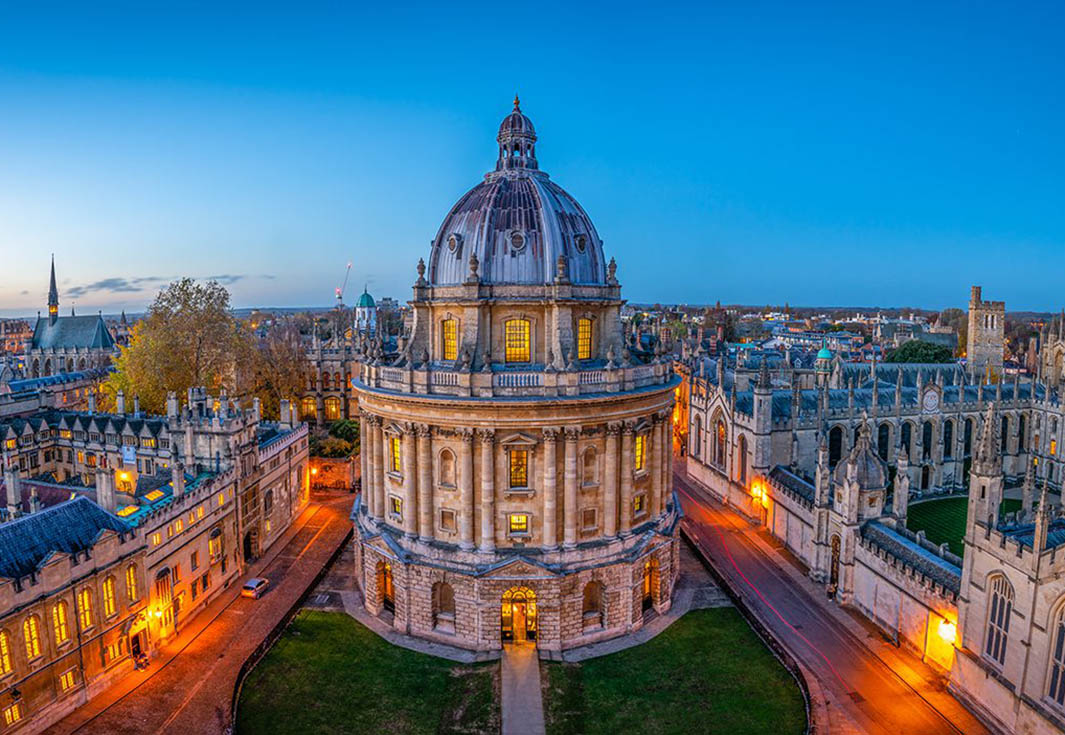
As I stepped onto the cobblestone streets of Oxford, the very first sensation I felt was an indescribable tranquility. In stark contrast to the hustle and bustle of London, this city seemed to exist in a different dimension—an atmosphere permeated by the weight of history and the distinct scent of academia. Oxford, this world-renowned university city, is far more than just a collection of tourist attractions; it resembles a living museum, where every college and every winding lane tells a story spanning centuries past.
Arrival in Oxford: Beginning with the Quiet of the Streets
I arrived in Oxford on a warm, sunny afternoon. As the train glided slowly into Oxford Station, the landscape outside—a tapestry of open fields interwoven with ancient architecture—compelled me to instinctively slow my breathing. Upon exiting the station, I chose to make my way to the city center on foot.
The streets along my route were paved with cobblestones, flanked on either side by low-rise brick buildings and quaint, vintage shops. The rich aroma of coffee wafted from a café on the corner; unable to resist, I stepped inside, ordered a latte, and took a seat by the window to observe the city’s rhythm. The people on the streets moved at a leisurely pace, yet each carried an air of unhurried composure—students with backpacks bustled between colleges, while tourists with cameras in hand conversed in hushed tones.
In that moment, I truly grasped the essence of Oxford’s allure for the very first time: it is a city that naturally encourages you to slow down, allowing you to feel the very breath of history with every step you take.
The Oxford College Complexes: A Labyrinth of History
The aspect of Oxford that captivated me most, of course, was its magnificent array of college complexes. I chose to begin my exploration at Christ Church College. The moment I stepped through the college gates, I felt as though I had been transported back several centuries. Towering stone columns, intricate carvings, and beautifully arranged courtyards—every detail served as a testament to the harmonious fusion of academia and art.
I strolled through the college courtyards, where sunlight filtered through ancient windows to cast dappled patterns upon the flagstone paths, and a gentle breeze carried the faint, sweet scent of flowers. Occasionally, students would pass by, conversing in low voices, their footsteps echoing through the cavernous corridors. I paused to sit on a bench, soaking in the profound tranquility of the moment, filled with an indescribable sense of awe.
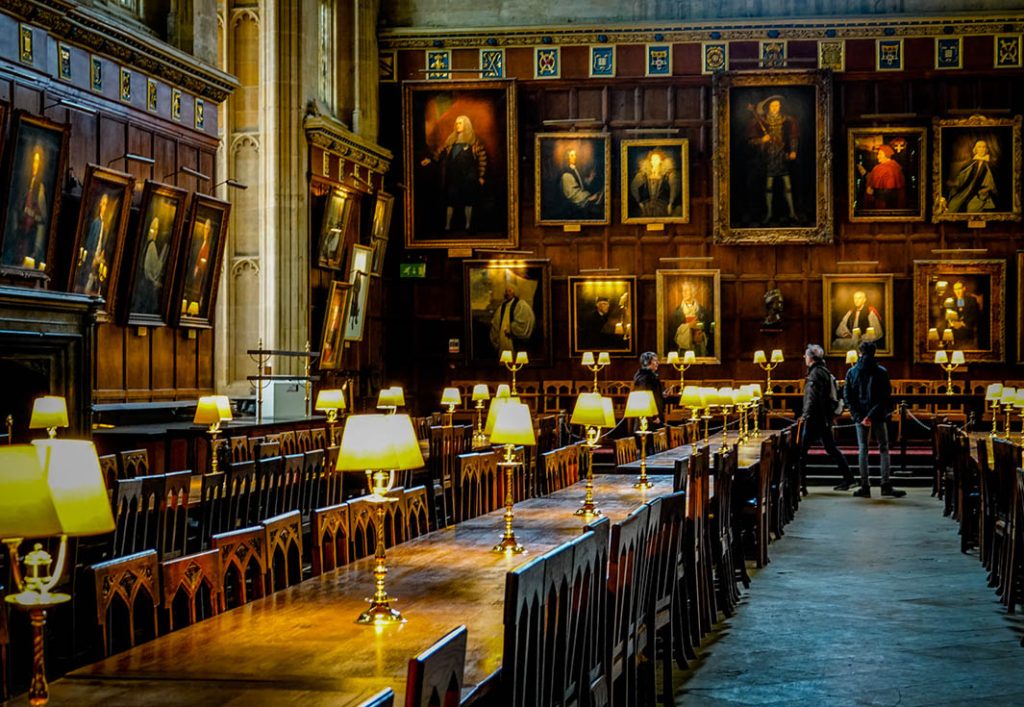
Afterward, I stepped into the college library. There, bookshelves stretched from floor to ceiling, densely packed with ancient texts that exuded the scent of ages past. I gently opened a book; the paper was slightly yellowed, yet the text remained crisp and legible. Standing amidst the shelves, I suddenly realized that Oxford is not merely a city, but a living legacy of culture.
Punting on the River: The Serene Pleasure of a Gentle Glide
The next day, I chose to experience one of Oxford’s most iconic activities: punting on the River Cherwell.
Having rented a small punt, I mimicked my instructor’s technique, using a long pole to propel the boat forward. My initial attempts were somewhat clumsy—the boat wobbled slightly—but I quickly found my balance, and soon the vessel was gliding smoothly across the tranquil water. Green trees lining the banks were mirrored in the water’s surface, occasionally disturbed by a passing wild duck that sent ripples spreading across the river.
As I punted along, I had a clear view of the college buildings lining the banks; their white facades shimmered in the sunlight, while their red rooftops appeared particularly warm against the backdrop of lush greenery. I steered the boat closer to the willow trees along the shore, gently maneuvering my pole and listening to the soft lapping of the water against the hull. In that moment, I felt as though I had fully immersed myself in the rhythm of Oxford life—a pace that is both slow and unhurried.
There were other visitors on the river as well—couples laughing playfully together—and students in passing punts who offered polite nods of greeting. The entire experience was devoid of clamor; there was only the sound of the water, the breeze, and the distant echo of church bells. Stepping back onto dry land, I felt a profound sense of calm, as if the river had washed away all the noise and bustle of the city.
The Leisurely Charm of Ancient Streets and Markets
Oxford is defined by more than just its colleges and rivers; its streets are equally captivating. I strolled leisurely along High Street, flanked by historic stone and brick buildings housing an array of bookstores, cafes, and artisan shops. Occasionally, I would encounter small street markets selling handmade jewelry, vintage books, and local delicacies. I purchased a small booklet on the history of Oxford and browsed through it as I walked, tracing the historical pulse of the city.
In a small square, I paused and found a streetside café where I could sit down. I ordered a slice of apple pie and a cup of hot tea; sunlight spilled across the tabletop, and the people around me conversed in hushed tones. I quietly observed the students, tourists, and locals passing by, realizing that Oxford’s charm lies not merely in its architecture and landmarks, but even more so in the rhythm of its daily life—relaxed, unhurried, and steeped in culture.
Oxford at Night: An Academic Atmosphere Amidst the Quiet
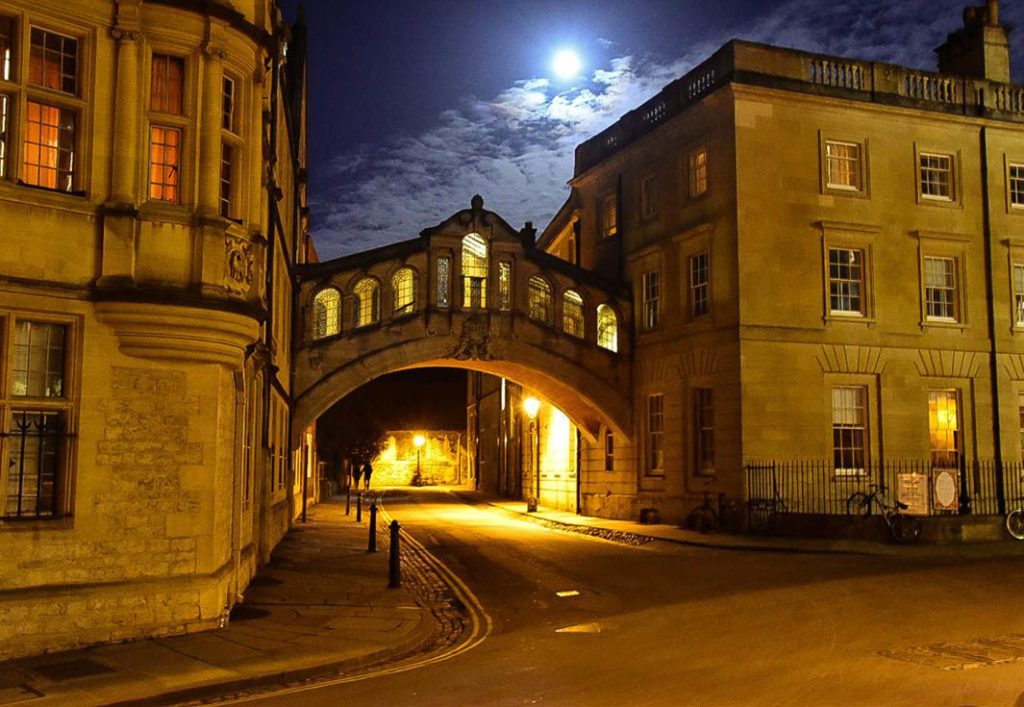
As night fell, I strolled through the narrow lanes near the colleges. Streetlights cast a soft glow upon the cobblestone paths, and the silhouettes of the colleges appeared particularly majestic against the night sky. As I passed Christ Church College, I spotted students in the distance discussing their studies on the lawn; the occasional burst of laughter drifted over—warm and serene.
I made my way to St Mary’s Church and climbed its tower to gaze out over the entire city. Oxford at night was a tapestry of scattered lights, its college buildings gleaming like pearls embedded in the dark canvas of the sky. In that moment, I suddenly understood why this place has nurtured so many great thinkers and literary giants: the fusion of tranquility and culture provides ample space for one to think, to explore, and to reflect.
Leaving Oxford: Taking Away More Than Just Memories
On the day I left Oxford, I once again walked slowly along High Street toward the train station. The sunlight was warm, and a breeze swept through the ancient streets; as I turned back to look at the familiar college gates and the river, a pang of reluctance rose in my heart.
During these past few days, what I experienced in Oxford was not merely a collection of tourist attractions, but rather a way of life—unhurried, elegant, and deeply cultural. Whether strolling through college courtyards, browsing through antique books, or punting along the river, every single detail allowed me to gain a deeper understanding of this city’s soul.
Oxford showed me not only world-class academic architecture but also taught me that life can be both profoundly peaceful and deeply meaningful. As the train pulled away from the city, I turned back for one last look and silently made a wish: that one day, I would return—to continue walking slowly, observing slowly, and feeling deeply within this city where academia and history are so beautifully intertwined.