1. First Steps in the Highlands
The first time I stepped off the train in Inverness, the cool Highland air hit me like a whisper of the past. This wasn’t the bustle of Edinburgh or the dramatic cliffs of Skye. Inverness felt quieter, but richer in a different way—like a story waiting to be uncovered, one scene at a time.
I arrived just as the sky was shifting into that deep Scottish blue, tinged with clouds. The River Ness was only a few minutes’ walk from the station, and as I crossed one of the footbridges, I felt like I was watching time flow past me. The old stone buildings reflected in the water gave the city an aged dignity. I walked slowly to my guesthouse near the city center, soaking it all in.
2. Searching for Nessie
Early the next morning, I made my way toward Loch Ness. I didn’t have a car, but there are plenty of tour options leaving from the city. I joined a small group minibus tour, the kind where the driver also serves as your local historian, comedian, and weather optimist.
The road from Inverness to Loch Ness curves along forested hills and opens up to views of the loch that are somehow more dramatic in person than in photos. When we arrived at the boat dock near Urquhart Castle, the loch was misty and still. I boarded a cruise that would take us onto the dark, peaty waters.
There’s something about Loch Ness that stirs your imagination whether you believe in Nessie or not. The water is dark, deep, and stretches endlessly between forested slopes. As the boat glided across the surface, I found myself staring into the loch’s depths, half-hoping for a ripple or shadow that might hint at something mysterious.
3. Urquhart Castle: Ruins with a View
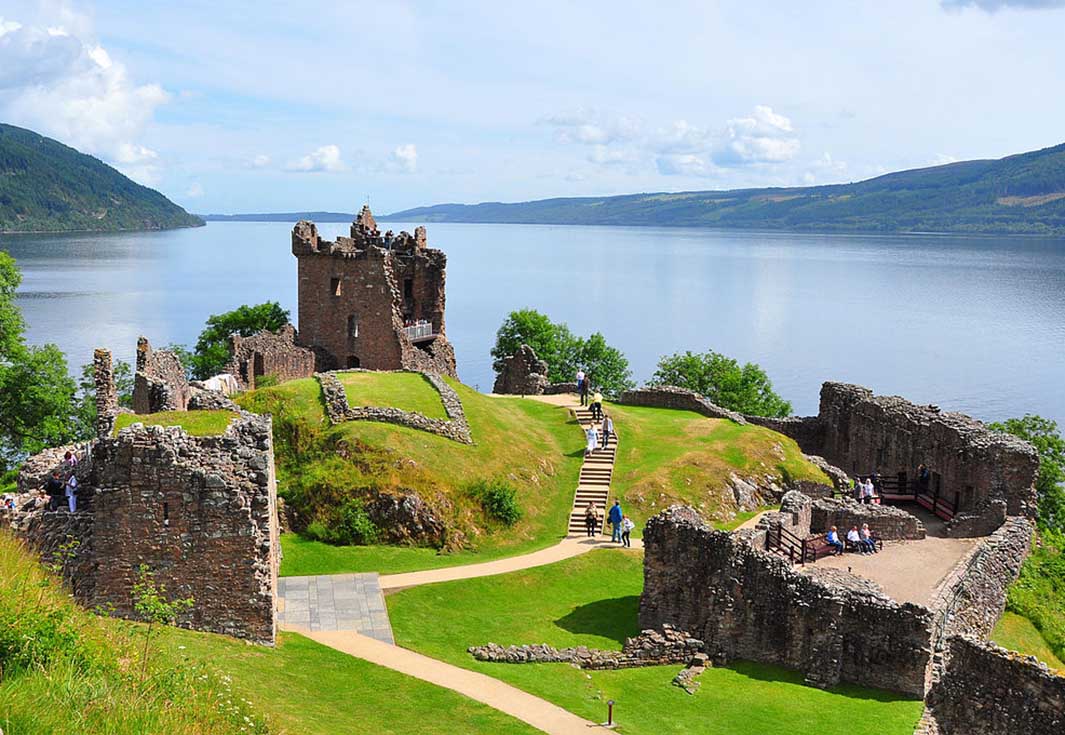
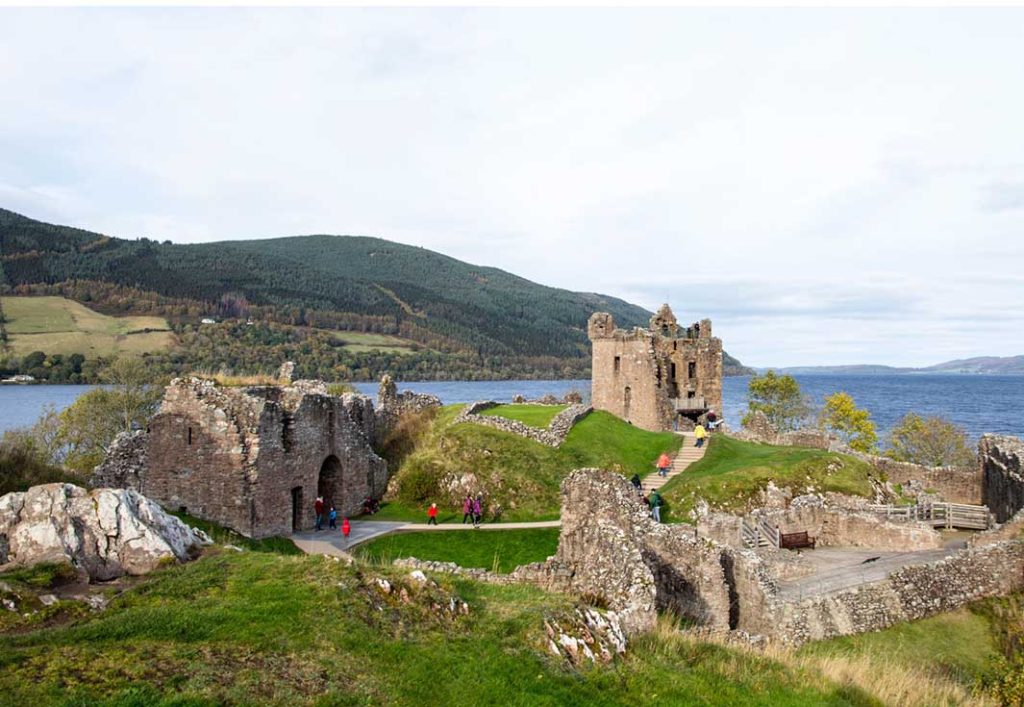
The boat dropped us off near Urquhart Castle, and I took my time walking up to the ruins. From a distance, the castle looks like something out of a medieval painting—perched dramatically over the loch, half-fallen, half-proud.
Walking among the stones, I could feel the centuries. The stories of sieges, clans, and Jacobite battles weren’t just plaques and panels; they felt present, somehow embedded in the earth. I climbed to the top of the Grant Tower and just stood there for a long time, looking out over Loch Ness with the wind in my face. It wasn’t quiet—the wind, the birds, the occasional call of a tour guide below—but it felt peaceful.
4. A Walk Through Inverness
Later that evening, I walked through the city again. Inverness isn’t large, which is a gift to travelers like me who enjoy wandering without aim. I passed by St. Andrew’s Cathedral with its distinctive red stone and Gothic style, then followed the river path. It’s one of the best features of the city—this walk along the River Ness, framed by trees and occasional benches.
The streets were lively. There were musicians playing near the Eastgate Centre, and I stopped at a small pub for fish and chips and a local ale. I ended the night with a stroll up to the castle viewpoint. Inverness Castle itself isn’t open for tours, but the grounds and views are spectacular. The whole city lights up beneath you—bridges glowing, church spires reaching up, and the river like a ribbon of silver.
5. Culloden Battlefield: Heavy Silence
The next morning, I took a bus to Culloden Moor. The site of the final battle of the Jacobite Rising in 1746, Culloden is more than just a historical attraction—it’s a place where history is felt.
The visitor centre is immersive, with audio, artifacts, and timelines that help you understand the complex and tragic story of the Jacobites. But it’s the field itself that stays with me. Walking the battlefield trail, with the wind pushing through the long grass and stones marking the fallen clans, I felt a deep stillness. The sky was overcast, and the entire place seemed to echo with a silence that didn’t feel empty—it felt full of memory.
6. Clava Cairns and the Ancient Stones
From Culloden, I walked the short distance to Clava Cairns, a Bronze Age burial site that’s around 4000 years old. The cairns are made of carefully placed stones, arranged in circular patterns, with narrow passages leading into their centres.
There was no one else around when I arrived. The trees arched overhead, and the moss-covered stones felt like they had been waiting there forever. There are standing stones too—tall and solemn, their purpose lost to time. I didn’t rush. I sat on the ground, letting the quiet take over, imagining what this place might have meant to those who built it.
7. Glen Affric: Highland Perfection
I took a day trip to Glen Affric, often called the most beautiful glen in Scotland—and I don’t disagree. It’s a bit of a journey from Inverness, but completely worth it. The road winds through forests and hills, and when it opens up into the glen itself, it’s like stepping into another world.
I hiked one of the shorter trails that loop around Loch Affric. The air smelled like pine and water, and the landscape was a mix of autumn colors and ancient trees. I passed deer in the distance, heard the call of birds I couldn’t name, and felt like I was far from everything that had ever worried me. There’s a wild, unpolished beauty here—no cafes or gift shops, just nature as it is.
8. Dores Beach and a Cold Wind
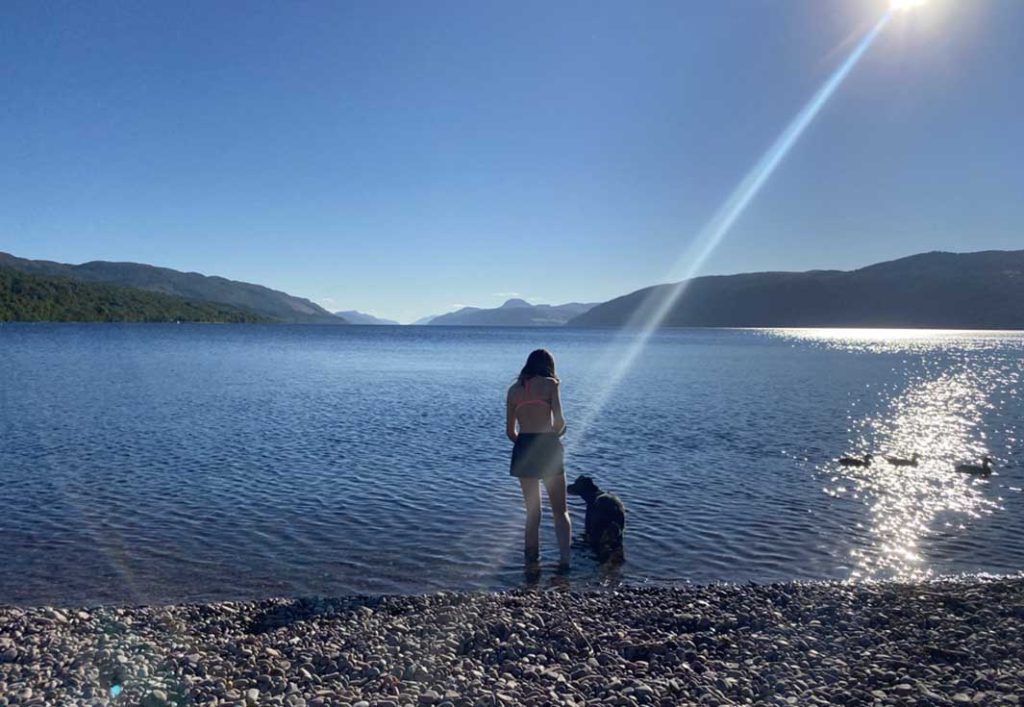
One of the quieter afternoons I spent walking along Dores Beach, on the northeastern shore of Loch Ness. The beach isn’t sandy—it’s a mix of stone and pebbles—but it’s peaceful, and the views are broad and impressive.
I met a man who has been camped out by the loch for years, watching for Nessie. He offered a quiet nod when I passed, and I wondered what stories he might have if I stayed and asked. Instead, I found a flat rock and watched the water for a long time. The wind was cold, but I didn’t mind.
9. Food, Fireplaces, and Local Ales
Inverness has no shortage of cozy places to eat. One evening I found myself in a restaurant tucked into a stone building with low ceilings and a roaring fireplace. I ordered haggis, neeps, and tatties—partly for the experience, partly because I was genuinely curious. It was rich and warming, especially paired with a smoky whisky from a local distillery.
Pubs in the city aren’t just for drinks—they’re social centres. I spent one night chatting with a retired fisherman who had lived in the Highlands all his life. We talked about weather, whisky, and whether Nessie was real. I listened more than I spoke.
10. Walking Without a Map
One of my favorite days was completely unplanned. I left the guesthouse after breakfast and just wandered. I found myself in the Ness Islands, a peaceful collection of wooded islands in the middle of the river, connected by Victorian-era suspension bridges. I watched squirrels dart across the paths, passed joggers and dog walkers, and just kept moving.
Later, I stumbled into the Inverness Botanic Gardens. I hadn’t planned to go there, but the warm, humid glasshouse full of tropical plants was a welcome contrast to the Highland chill outside.
11. A Landscape That Lingers
What I remember most about my time in Inverness isn’t just the famous sites or the photographs I took. It’s the quiet moments—the fog lifting off Loch Ness, the wind across the Culloden battlefield, the sound of my footsteps in Glen Affric. This place doesn’t overwhelm you; it seeps in slowly, leaving you changed in a way you don’t notice until later.
I left Inverness with mud on my boots and pages of notes in my journal. I know I’ll come back someday, but even if I don’t, parts of it came with me. The Highlands have a way of doing that.