I have always harbored a special affection for flying—not merely for the exhilaration that speed and altitude bring, but because it invariably allows one to experience a destination from a unique perspective. When I decided to travel to Avignon, France, I realized that the very first chapter of this journey would begin in the skies.
Booking the Flight: Big Dreams in a Small City
Although Avignon is a historic city in Provence, its airport is considerably smaller in scale compared to those of Paris or Marseille. An online search revealed that Avignon-Provence Airport primarily serves intra-European flights; consequently, flight options are often limited.
I departed from Paris on an early-morning flight. When booking, I specifically requested a window seat, thinking to myself: I simply must take in the scenery of the Mediterranean coast along the way. Although the aircraft was small, what I anticipated most was the vantage point from amidst the clouds, and that specific moment—as the plane began its descent—when I would look down upon the ancient city of Avignon.
The Airport Experience: Compact yet Efficient
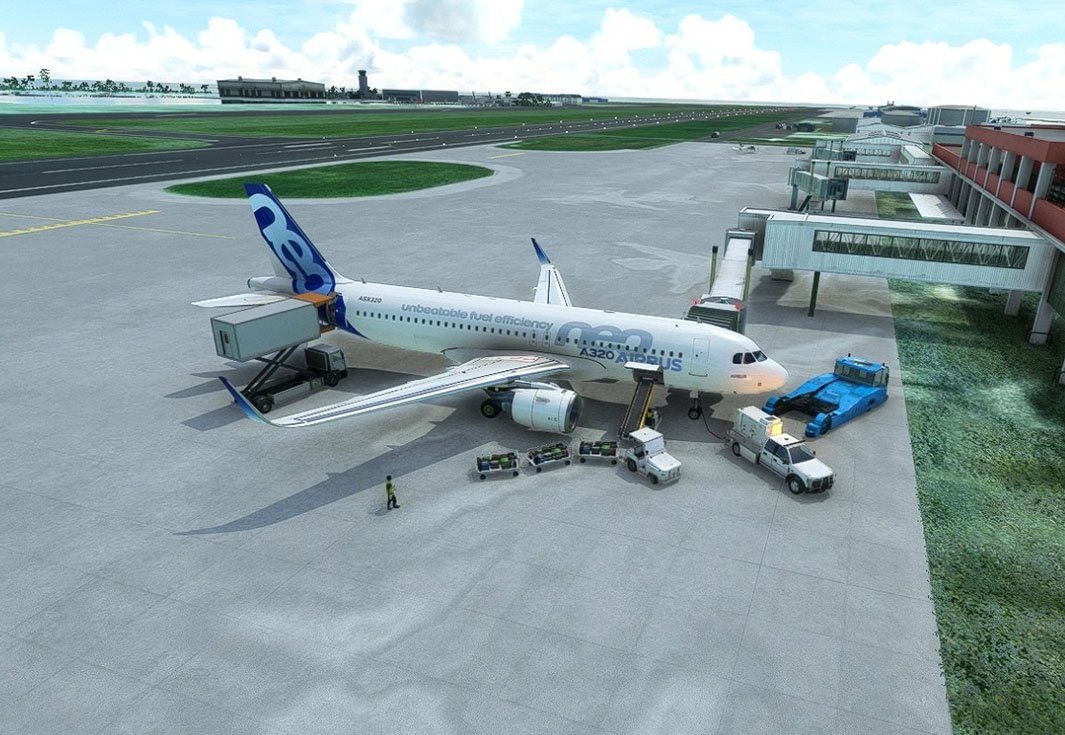
My first impression of Avignon Airport was that it was compact, yet remarkably well-organized. It lacked the clamor and interminable security lines typical of major metropolitan hubs, yet it was fully equipped with all necessary amenities. Situated near the boarding gates was a small café; I purchased a cappuccino, took a seat by the window, and watched through the glass as aircraft took off and landed in succession.
The atmosphere here was wonderfully soothing—a stark contrast to the anxiety and frenetic rush often found in large-city airports. The boarding announcements were delivered in gentle tones, and the staff wore welcoming smiles, as if personally greeting every traveler arriving in this ancient, tranquil city.
Sipping my coffee, I reflected upon the Avignon adventure that was about to unfold: the Palace of the Popes, the Pont Saint-Bénézet, strolls along the banks of the Rhône, and the annual theater festival held every July. To me, this city was not merely a destination; it felt more like a history book waiting for me to turn its pages.
Takeoff: The Wonder of Breaking Through the Clouds
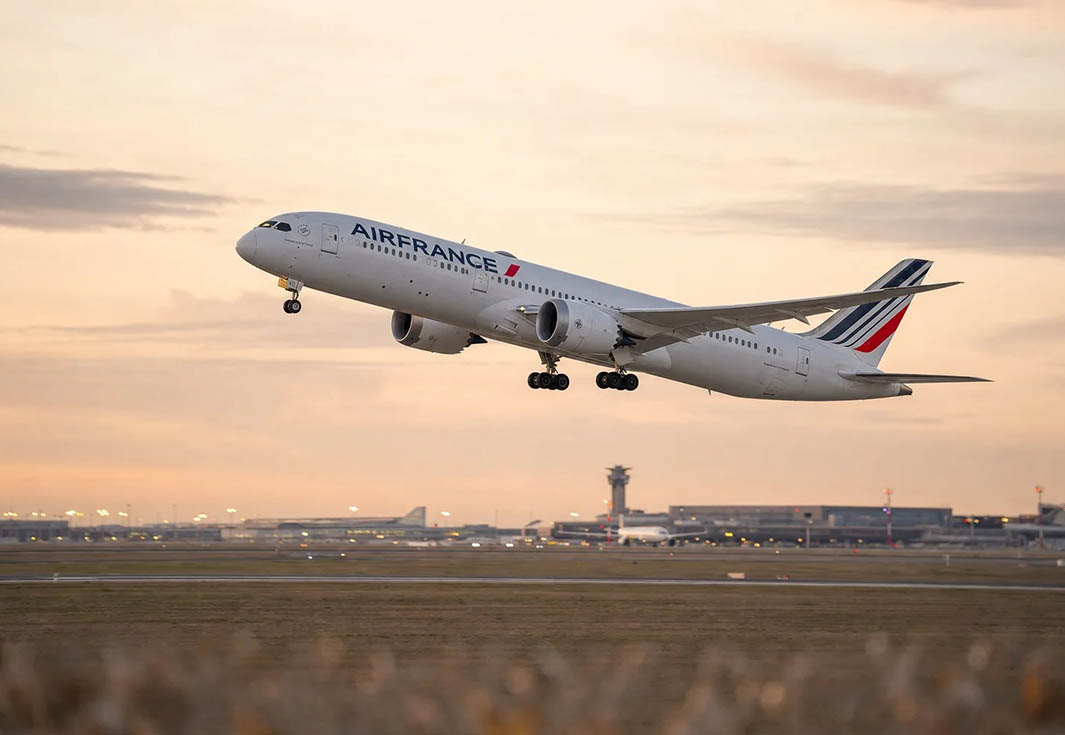
As the wheels lifted off the runway, I felt a faint vibration ripple through the fuselage, followed by a fleeting sensation of weightlessness. The aircraft ascended gently; the city’s contours gradually shrank, and the buildings of Paris slowly receded into insignificance. Outside the window, the river flowed like a silver ribbon, while the forests and fields pieced together a tapestry of interwoven greens and browns.
I tried my best to capture this scenery with my phone, but I soon realized that no matter how I framed the shot, I could never fully convey the sheer awe of gazing down upon the earth from the clouds. The layers of clouds resembled a soft ocean; the plane seemed to glide gently across its surface, and from my seat, I felt a wondrous sense of freedom—at once far removed from the ground, yet closer than ever to my dreams.
During the flight, a flight attendant gently offered me water and snacks. I chose to sit by the window and read quietly, occasionally glancing up to look outside; sunlight streamed through the porthole into the cabin, enveloping me in a warm sense of security. Although the aircraft was small, every detail exuded comfort and thoughtful care.
Overlooking Provence: The Magic of Color
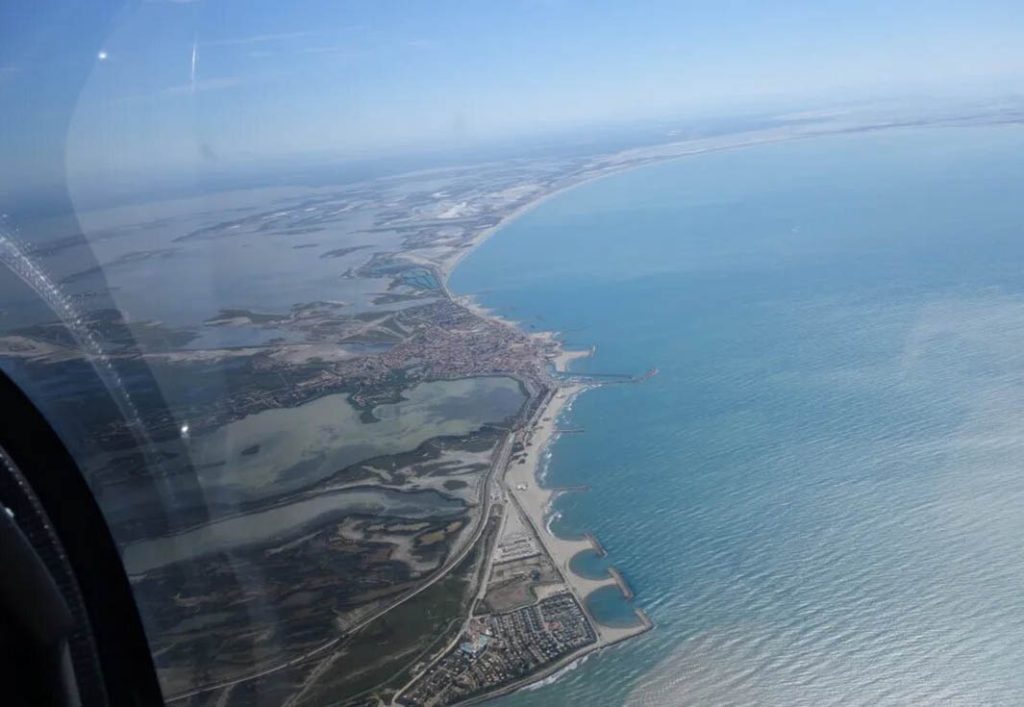
As the plane approached Avignon, the landscape began to transform. The fields of Provence were laid out like a chessboard, dotted with olive groves and lavender fields; bathed in sunlight, the entire land seemed gilded in gold. Rivers wound their way across the terrain, and every now and then, I would catch a glimpse of small villages, their rooftops glowing red in the light.
I felt as though I were traveling through a painting; with every dip and turn of the aircraft, I discovered a new vista. No camera—no matter how advanced—could ever truly capture this sense of three-dimensionality: the horizon stretched endlessly, and the fields, rivers, and ancient city lay spread out before my eyes in their entirety. In that very moment, I realized: this journey through the skies was, in essence, my very first “sensory introduction” to Avignon.
Landing: The Convergence of History and Modernity
As the plane descended, the contours of the ancient city of Avignon gradually came into focus. The towering spires of the Papal Palace, the arched spans of the Pont Saint-Bénézet, and the river encircling the city made me feel as though I had traveled back in time. The instant the wheels touched down, I felt a sense of stability—and with it, a surge of anticipation: I was finally about to step into this city steeped in history and culture.
Avignon Airport is small, yet its exit procedures are orderly and efficient. After retrieving my luggage, I stepped out into the parking area, where I was greeted by the warm sunshine and gentle breeze of Provence. Along the path just outside the airport, taxis and rental car counters were readily available, offering convenient access to the city center. In just a few short minutes, I was able to reach my hotel near the Papal Palace, ready to embark on several days of exploration.
The Charm and Limitations of Small-Scale Aviation
This flight allowed me to appreciate the unique charm of small-city airports: there are no long lines to endure; boarding and security checks are highly efficient; and every flight possesses a distinct sense of being “personally tailored.” At the same time, however, there are certain limitations: flight options are limited, airfares tend to fluctuate significantly, and advance planning is essential.
I discovered that this experience differs completely from that of major metropolises: in Paris or London, the airport itself feels like a city unto itself; whereas in Avignon, what you perceive most is the “connection between the city and the sky,” rather than the sheer scale or opulence of the airport facility.
The Ground Experience Following the Flight
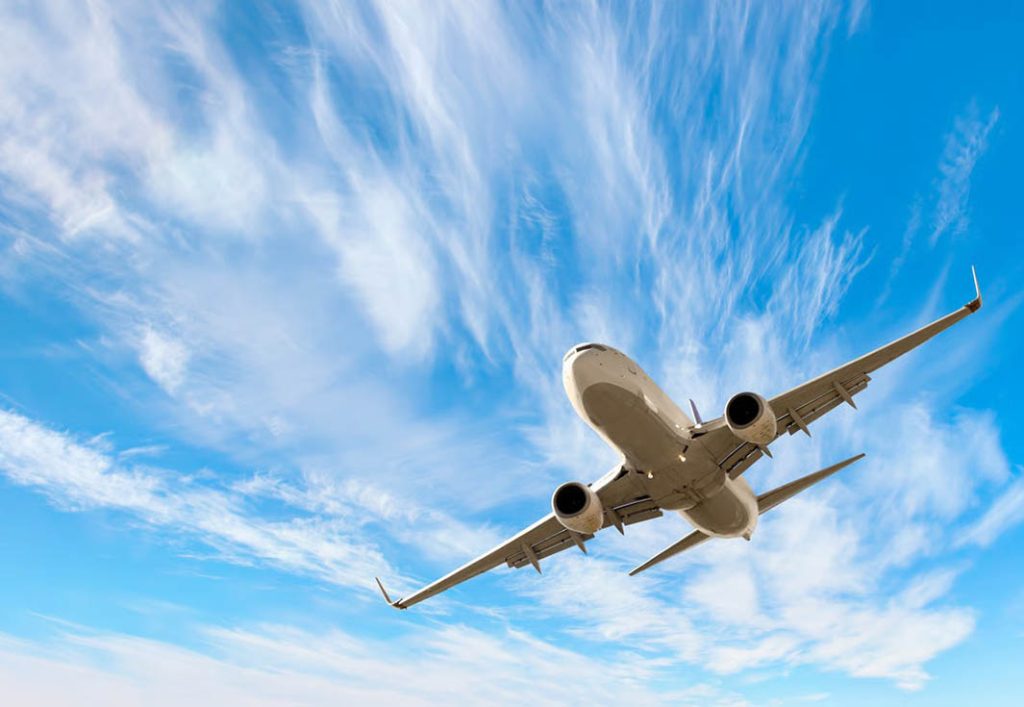
Upon disembarking, I found myself weaving the flight experience into my exploration of the city. Every takeoff and every landing served as a prelude, setting the rhythm for the journey ahead. The flight allowed me to gain an aerial perspective of Provence; later, as I strolled across the square in front of the Papal Palace and wandered along the banks of the Rhône River, I realized that the aerial viewpoint and my ground-level wanderings had intertwined, adding a rich, multi-layered depth to the entire trip.
In Avignon, flying is not merely a means of arrival; it is an integral part of the experience of engaging with the city itself. Even now, when I look back on that flight, I can vividly recall the interplay of light and shadow outside the window, the textures of the clouds, and the subtle vibrations of the aircraft as it taxied. This enduring memory ensures that whenever I think of Avignon, I am able to perceive its presence simultaneously from both the air and the ground.
The Dual Experience of Flight and Travel
My flight to Avignon taught me that travel is about more than just the destination; it is, fundamentally, a journey—a process. Small airports, short-haul European flights, the choice of a window seat—every single detail contributes to the overall travel experience. Through the flight, I came to know Provence from the air—observing the city’s layout, the course of the river, and the vibrant hues of the fields from high above—thereby establishing the emotional tone for my subsequent explorations on the ground.
As I look back on this journey once more, the images that surface in my mind are not limited to the towering spires of the Papal Palace or the graceful arches of the Pont Saint-Bénézet; they also include the sense of freedom and anticipation I felt as the plane taxied, soared through the clouds, and offered me a sweeping view of the earth below. Flying was the very first step in my discovery of Avignon—and it has since become an inseparable element of my experience of this historic city.