1. Arrival in Granite City
Stepping off the train at Aberdeen Station, a cool breeze rolled in from the North Sea, carrying with it a trace of salt and something more ancient—an atmosphere of endurance. The buildings were clad in grey granite, sparkling with mica under the sparse sunlight, giving the city an austere dignity. Aberdeen does not call attention to itself with ostentation; it invites reflection. The streets are clean, understated, with a sense of order and long-standing character. The first breath in this city felt like an intake of history.
I had heard much about the University of Aberdeen—its centuries-old academic traditions, its picturesque setting, and the blend of intellectual pursuit and coastal charm. I arrived with my itinerary loosely planned and my curiosity well-packed. What unfolded during my time exploring the campus was more than sightseeing; it was immersion.
2. The King’s College Crown and the Echoes of 1495
The heart of the campus lies in Old Aberdeen, a walk from the city centre that transitions through cobbled streets, tranquil residential lanes, and finally into a precinct where time appears to have slowed to a scholarly pace. The moment the spires of King’s College came into view, I paused.
The chapel’s crown tower—a gothic stone crown hovering over the tower like a frozen explosion—seemed to defy the laws of both gravity and silence. Built in 1495, the same year the university was founded by Bishop William Elphinstone, King’s College Chapel embodies Aberdeen’s ecclesiastical and educational roots in a single, soaring gesture. The Crown, they say, is one of only two surviving examples of this architectural feature in Scotland. I stood under it for a time, letting my eyes trace the curves and shadows, feeling oddly protected, as if beneath a vast stone diadem.
Walking through the open cloisters was like stepping into a monastic dream. Grey stone archways framed inner quadrangles where ivy curled up walls like green script in a forgotten language. Students passed with books, headphones, and conversations in languages I couldn’t place. The old and the young walked side by side—physically in the same space, spiritually connected across five centuries.
3. Inside the Chapel: Where Stillness Speaks
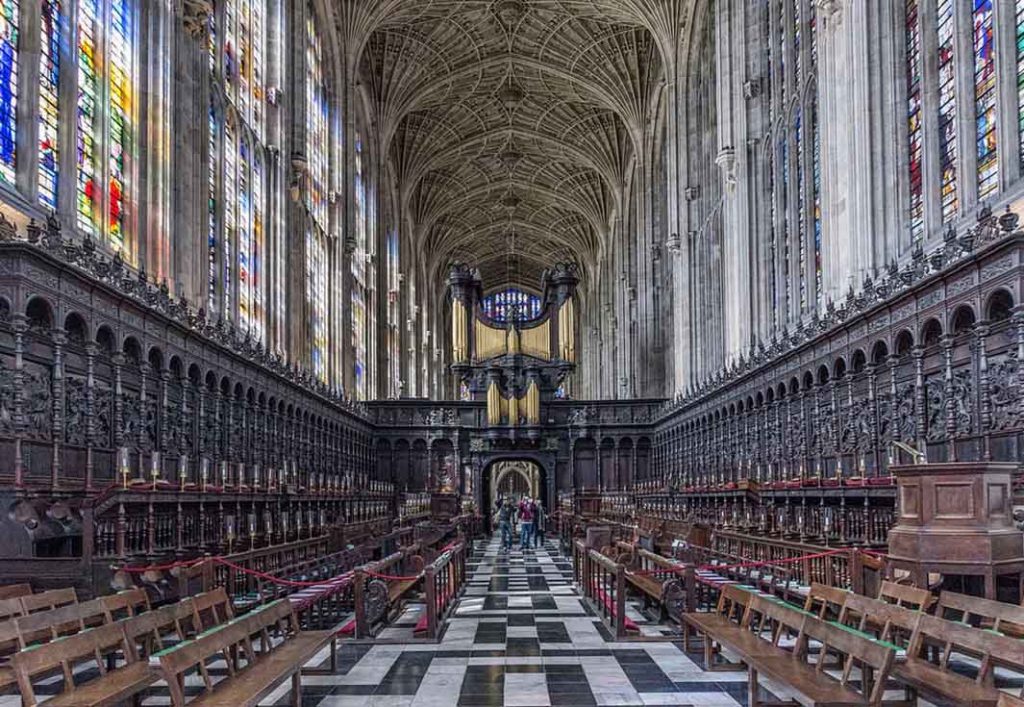
Stepping into the chapel, I was met with a silence so complete it seemed to ring in my ears. Stained glass filtered the light into warm ribbons that fell on the wooden pews. I sat for a while in one of the back rows, breathing in the scent of polished wood and old stone. Above, the hammerbeam roof arched like the ribs of a ship, guiding my gaze ever upwards.
The interior bears the patina of reverence. The memorials lining the walls aren’t just decorative—they narrate the life of the university across the ages, from scholars lost in wars to celebrated professors whose ideas helped shape their disciplines. The weight of those legacies was palpable, not oppressive, but grounding.
Outside again, the quad’s serenity pulled me back into daylight. A light drizzle began, barely enough to call for an umbrella, but enough to make the stone glisten anew. Even the weather here seems to participate in the university’s gravitas.
4. The Sir Duncan Rice Library: A Temple of the Written Word
Modernity asserts itself on the campus not with garish contrast, but with dignified innovation. The Sir Duncan Rice Library, opened in 2012, rises from the ground like a cube of glass and light. Its white vertical striations ripple like pages of a wind-blown manuscript, and its interiors are even more impressive.
Inside, the central atrium opens across eight floors, all visible from the ground, with floating staircases and quiet study zones. Each level is designed with a subtle purpose—humanities on one floor, sciences on another—like a microcosmic map of the academic world. The sense of openness is not just architectural; it feels symbolic.
Wandering through the history section, I came across manuscripts older than many nations. The Rare Books collection holds incunabula and first editions that I could scarcely believe were here, in this northern city, guarded by glass and gentle temperature control. The librarians were knowledgeable, kind, and treated each book with the ceremony of ritual.
Upstairs, the view across Aberdeen stretched to the sea. It was a cloudy day, but the light was perfect for reading. Students dotted the glass walls with laptops, notes, and quiet determination. If ever there were a cathedral to learning, this would be it.
5. St. Machar’s Cathedral and the Soul of the North
Just north of the main campus lies St. Machar’s Cathedral, technically not part of the university, but inseparably linked to the academic soul of the area. The short walk there led through Seaton Park, with the River Don weaving quietly along the side. Swans moved like chess pieces on the water, deliberate and white.
The Cathedral, built on a site dating back to the 6th century, now stands with twin towers guarding a nave filled with heraldic shields and a wooden ceiling that is nothing short of miraculous. I entered with a mix of reverence and curiosity.
This was where graduates used to receive their degrees centuries ago, and even now, some ceremonies still happen within these hallowed walls. The air was cool and tasted faintly of stone dust and candle wax. I imagined students from a hundred different years sitting here, nervous, proud, hopeful.
6. A Meal Beneath the Vaults: Lunch at the Machar’s Bar
After walking the campus for hours, I stopped at Machar’s Bar, just across the street from King’s College. Housed in an old stone building with low ceilings and dark beams, the pub smelled of barley, firewood, and nostalgia. I ordered Cullen Skink, a thick Scottish soup of smoked haddock, potatoes, and cream. It arrived steaming, accompanied by buttered bread and a view of students through the window, bustling between classes.
A couple of locals chatted at the bar in Doric—a dialect I could barely catch but delighted in hearing. The waiter, cheerful and efficient, recommended a local ale brewed nearby. I sipped it slowly, noting its peaty flavor and crisp finish. Here, even a lunch break felt steeped in the traditions of the place.
7. Cruickshank Botanic Garden: Quiet Respite, Wild Growth
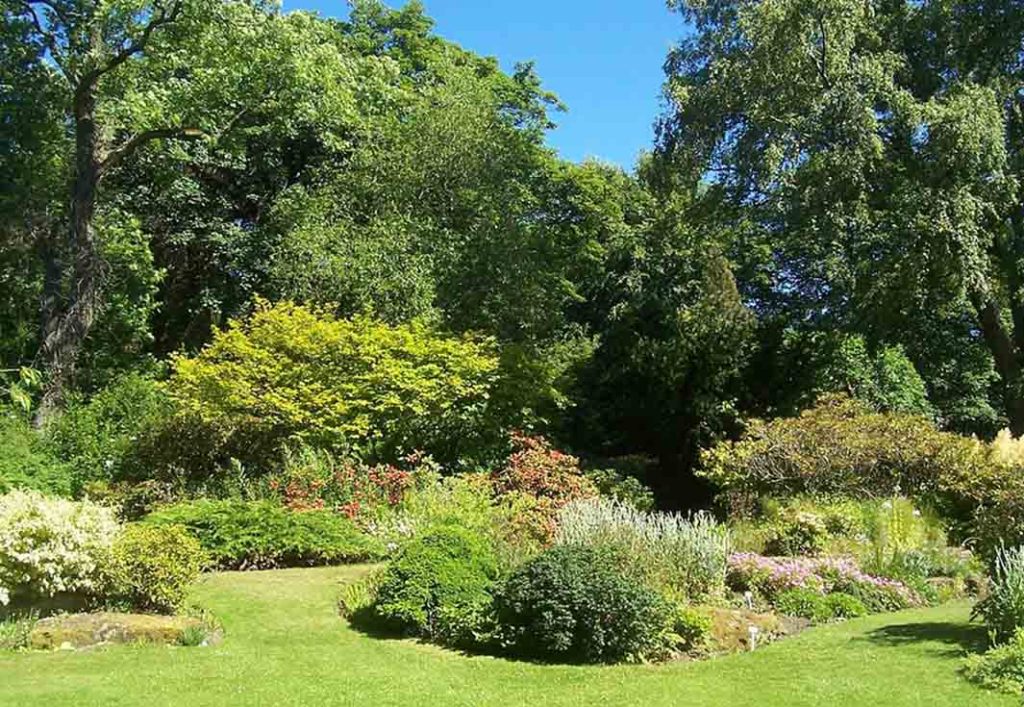
On the northern edge of the campus lies the Cruickshank Botanic Garden, a space of cultivated wilderness and taxonomic order. Its paths twist through herbaceous borders, alpine beds, and quiet lawns where you can sit beneath a tree and let time slow to a green rhythm.
I spent nearly two hours here, with no intention beyond wandering. The garden is maintained for both study and pleasure, and the plant labels reveal a living textbook of botany. Birds called overhead, and I spotted a red squirrel darting up a beech tree—a flash of rust among the greens and greys.
At one point, I came across a bench beneath a copper beech. Its plaque read: “To those who learned to listen here.” I did just that.
8. Aberdeen’s Student Culture: An Enduring Balance
Every campus has its pulse, and here it beats in conversation, collaboration, and an understated but persistent pride. I observed it in the way students greeted each other, in the posters for debates and ceilidhs (Scottish social dances), in the quiet determination in the library. These were students carrying not only books and dreams but also the weight of legacy.
There’s a dignity in the way academia is approached here. Not performative, not hurried, but meaningful. The university’s motto, Initium Sapientiae Timor Domini (“The beginning of wisdom is fear of the Lord”), still inscribed above certain entrances, feels less like a command and more like a whisper from the past—an invitation to approach knowledge with reverence.
9. Evening in Old Aberdeen
As dusk fell, the streetlamps flickered on like golden punctuation marks along the granite paths. The buildings, now lit from within, glowed softly behind their mullioned windows. I walked back through the quad, past King’s College, and felt the full weight of history not as a burden, but as an embrace.
There’s a strange comfort in walking where scholars have walked for over 500 years, in knowing that the questions asked in these halls—about truth, justice, beauty, meaning—are the same questions that animate each generation anew.
10. Continuing Forward from Stone and Story
Before leaving, I passed once more by the Powis Gates, two tall towers capped with Moorish domes, gifted by a local landowner in the 1830s. They stand like sentinels at the entrance to knowledge, unexpected and regal, a nod to the city’s openness to the world.
I paused there, between the past and whatever comes next, between old stone and restless curiosity. Aberdeen, in its quiet confidence, had offered not only views but perspective—not only architecture, but architecture of thought.