When I first set foot in Avignon, I initially thought I had come to trace the footsteps of history and architecture—the grandeur of the Papal Palace, the legend of the Pont Saint-Bénézet, and the leisurely strolls along the Rhône River. However, as I truly immersed myself in the city’s daily life, I discovered that my most profound memories were not of stone walls and bridges, but of the flavors found at the dining table: the comforting warmth of a vegetable stew, the rich intensity of spiced lamb, and the delicate, sweet fragrance of pastries infused with Provençal herbs.
As a pivotal city within the Provence region, Avignon’s cuisine naturally abounds with the essence of sunshine, aromatic herbs, and the Mediterranean spirit. During my few days of travel, I devoted nearly half of each day to restaurants, street food stalls, and local markets; from the fragrant scents of dawn to the flickering candlelight of evening, every single bite seemed to tell a story of the city’s history and way of life.
Arrival in Avignon: Street Scents Awaken the Palate
On the afternoon of my first day in Avignon, I took a stroll along the Rhône River. Sunlight filtered through the gaps between ancient buildings, dappling the cobblestone streets below, while the air was filled with a blend of freshly baked bread, aromatic herbs, and the savory richness of simmering stews. I found myself drawn by an invisible force, leading me into a small bistro tucked away on a street corner. A handwritten menu hung by the entrance—unpretentious and simple, yet it filled me with eager anticipation.
Upon being seated, I did not immediately order; instead, I took a moment to observe my surroundings. The wooden tables and chairs within the restaurant exuded a sense of warmth and coziness; paintings depicting the Provençal countryside adorned the walls, and soft French background music created a relaxing atmosphere. Sunlight streaming through the window illuminated my table, and the air—permeated with the scents of spices and olive oil—made it impossible for me not to look forward to the authentic dinner that awaited me.
Ratatouille: The Taste of Sunshine and the Earth
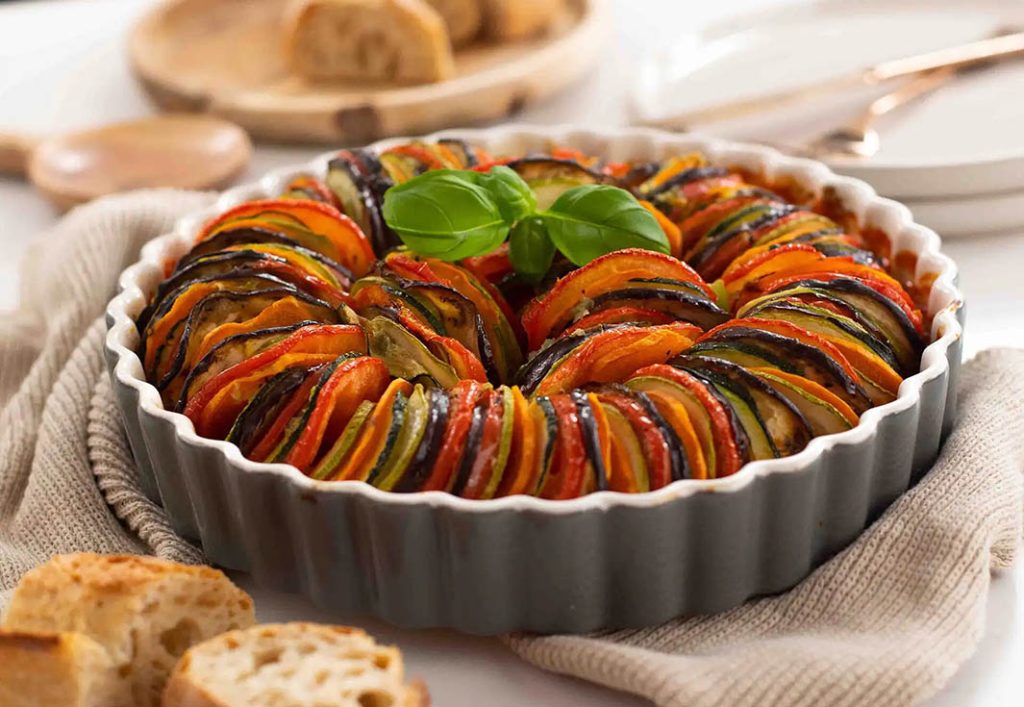
The very first dish I sampled was Avignon’s most iconic Mediterranean home-style specialty: Ratatouille. When the waiter brought the plate to the table, I was struck by the vibrant array of colors: orange pumpkin, purple eggplant, red bell peppers, and emerald-green zucchini—all arranged neatly on the plate, resembling a vivid painting.
I began by scooping up a forkful and gently lifting it to my mouth. Slow-simmered to perfection, the vegetables retained their natural crispness and aroma, while the blend of tomatoes, onions, and garlic created a flavor profile that was both layered and mellow. The lightness of the olive oil and the fragrant notes of Provençal herbs intertwined on my tongue, evoking the sensation of sunlight bathing the Mediterranean landscape.
As I ate, my thoughts drifted back to the local market I had visited in the small town: stalls piled high with fresh eggplant, colorful peppers, and tomatoes, alongside sprigs of rosemary and thyme that exuded a subtle, delicate fragrance. I realized then that behind this seemingly simple dish lay the Provençal people’s deep love for their land and their profound respect for their ingredients. In that moment, I understood why Ratatouille has become the quintessential dish of Provence—it is not merely food, but a cultural expression.
Spiced Lamb (Agneau de Provence): A Rich and Comforting Lunch
The following day, I chose a renowned local restaurant to sample another classic of Avignon cuisine: Agneau de Provence (Spiced Lamb). The allure of this dish lies in its unique blend of Provençal spices—rosemary, thyme, garlic, and a drizzle of olive oil—which effectively neutralizes the gamey notes of the lamb, replacing them with a rich aroma and a tender texture.
As the lamb was brought to the table, its fragrance immediately filled the entire dining room. The golden-brown exterior was slightly crisp, while the meat within remained tender and succulent. Eager to taste it, I cut off a piece and placed it in my mouth; instantly, the flavors of the spices blossomed on my palate, harmonizing perfectly with the savory richness of the lamb. With every bite, my taste buds were treated to a delight that simultaneously transported me back to the sunshine and fields of Provence—the sun-drenched pastures where the grass grew, and the herbal scents that permeated the air—all distilled and captured within this single plate of lamb.
As I enjoyed my lunch, I gazed through the window at pedestrians strolling leisurely along the street. Occasionally, a vendor would push a cart laden with fruit and bread; the sunlight spilled over them—warm, tranquil, and serene. As I savored the delicious food, I felt myself attuning to the rhythm of life in Avignon—slow, comfortable, and imbued with a sense of ritual.
Provençal Vanilla Pastries: A Sweet Finale
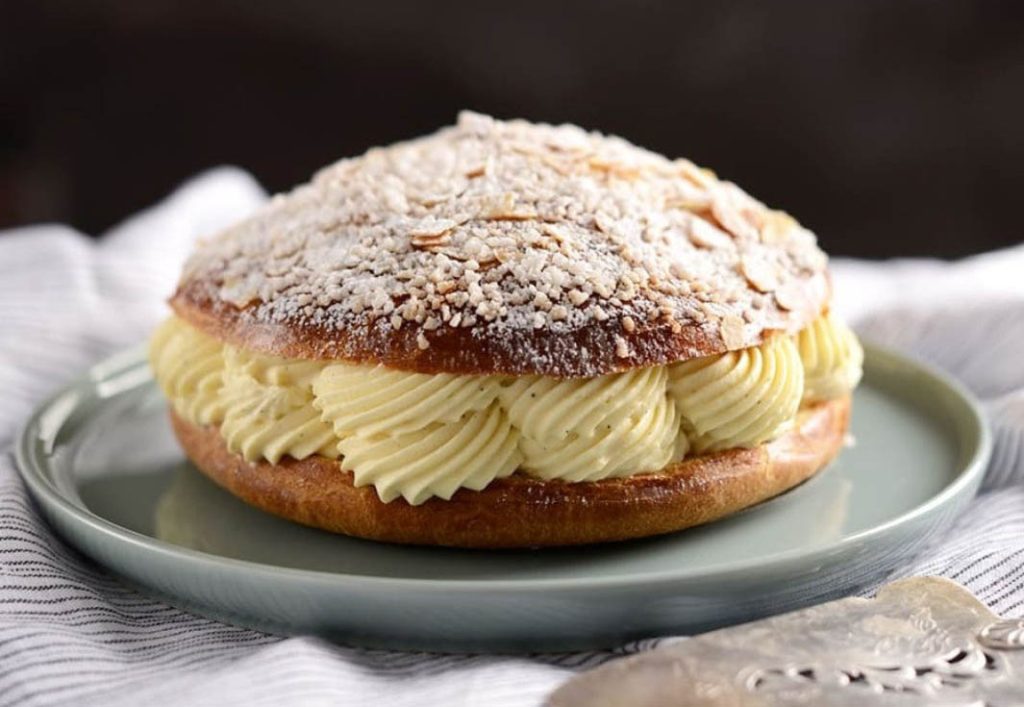
In the afternoon, I made a special pilgrimage to a historic pastry shop to sample some Provençal vanilla pastries. The shop was filled with the blended aromas of vanilla, honey, and almonds—a fragrance so soothing that I felt instantly relaxed the moment I stepped through the door. I selected a thin slice of vanilla-almond cake, paired with a cup of local honey tea.
With the very first bite, the delicate fragrance of vanilla and the crisp texture of almonds danced upon my tongue; the sweetness was perfectly balanced—neither cloying nor overpowering. The refined texture and natural aromas transported me, in my imagination, to the fields of Provence, where the air is scented with flowers, herbs, and the warmth of the sun. In that moment, I realized that this dessert was not merely a post-meal indulgence, but an expression of local culture—an indispensable, heartwarming ritual woven into the daily lives of the people of Avignon.
Markets and Streets: Avignon’s Culinary Map
To gain a deeper understanding of the local gastronomy, I ventured into Avignon’s street markets. Fresh vegetables, fruits, herbs, cheeses, and breads were arranged in neat rows, while vendors enthusiastically greeted their customers. I struck up conversations with them to learn about the origins of their ingredients and their cooking methods, discovering that every dish here is rooted in nature, prepared with minimal artificial embellishment.
I purchased a small bunch of fresh rosemary and thyme, inhaling their intense, aromatic scents. This fragrance—drawn directly from the earth—filled me with eager anticipation for the dinner that lay ahead. Later, at a street-side stall, I sampled some freshly prepared vegetable stew and small herbal pastries—simple yet delicious fare that gave me a profound insight into the essence of life in Avignon: respecting nature, savoring food, and living fully in the present moment.
Avignon Memories, Tasted and Treasured
As my culinary journey drew to a close after several days, I realized that what I would remember most was not any specific landmark or tourist attraction—but the flavors. The sunlit freshness of Ratatouille, the rich warmth of Agneau de Provence, and the sweet delicacy of vanilla pastries—together, they form my most enduring memories of Avignon.
As I departed the city, my suitcase was filled with souvenirs, while my heart was filled with the flavors of Provence. With every bite and every breath, I felt as though I were savoring once more the sunshine, the herbs, and the riverside breezes of those few days. Avignon is not merely a historic city; it is a city to be slowly explored—one taste bud at a time.
The cuisine here is an extension of both history and the land itself—the truest expression of the Avignon way of life.