The moment I first set foot on the soil of Avignon, I was captivated by the city’s profound historical atmosphere. Compared to other cities in the South of France, Avignon feels quieter and more composed. It lacks the bustle of Paris and the seaside glamour of Nice; instead, it possesses a sense of solemnity that seems to transcend time—one that compels you to instinctively slow your pace and absorb the stories etched into its city walls, riverbanks, and cobblestone streets.
During my few days in Avignon, I devoted almost all my time to exploring its historic architecture and strolling along the river, while also immersing myself in the city’s vibrant artistic lifestyle. At every attraction, I felt that this city has not merely preserved its history, but has also retained the warmth of everyday life.
The Palace of the Popes: A Symbol of Medieval Power
My first stop upon arriving in Avignon was the iconic Palace of the Popes (Palais des Papes).
Standing outside the Palace, I was awestruck by its massive gray stone walls and towering turrets. Sunlight bathed the ancient facades; the interplay of light and shadow brought the textures of the stone blocks into sharp relief. Taking a deep breath, I passed through the main entrance and stepped inside the palace that once held the reins of papal power.
The interior of the palace is vast and majestic. The soaring vaulted ceilings, massive stone pillars, and lavishly decorated chambers made it easy to imagine the scenes of yesteryear—the Popes presiding over state affairs and receiving diplomatic envoys within these very walls. Following my guided tour, I moved through the various halls and chambers of the palace, each one recounting a different historical narrative: power struggles, religious rituals, and the ingenuity of its architects.
My favorite part of the complex was the central courtyard. Sunlight streamed through the arched colonnades onto the stone paving below; as a gentle breeze swept through, I felt as though I could hear the whispers of history. Standing there, I experienced for the first time the true “aura of medieval power”—not merely as a visual spectacle, but as a deeply immersive sensation that transcended the boundaries of time.
Pont Saint-Bénézet: Where History and Legend Converge
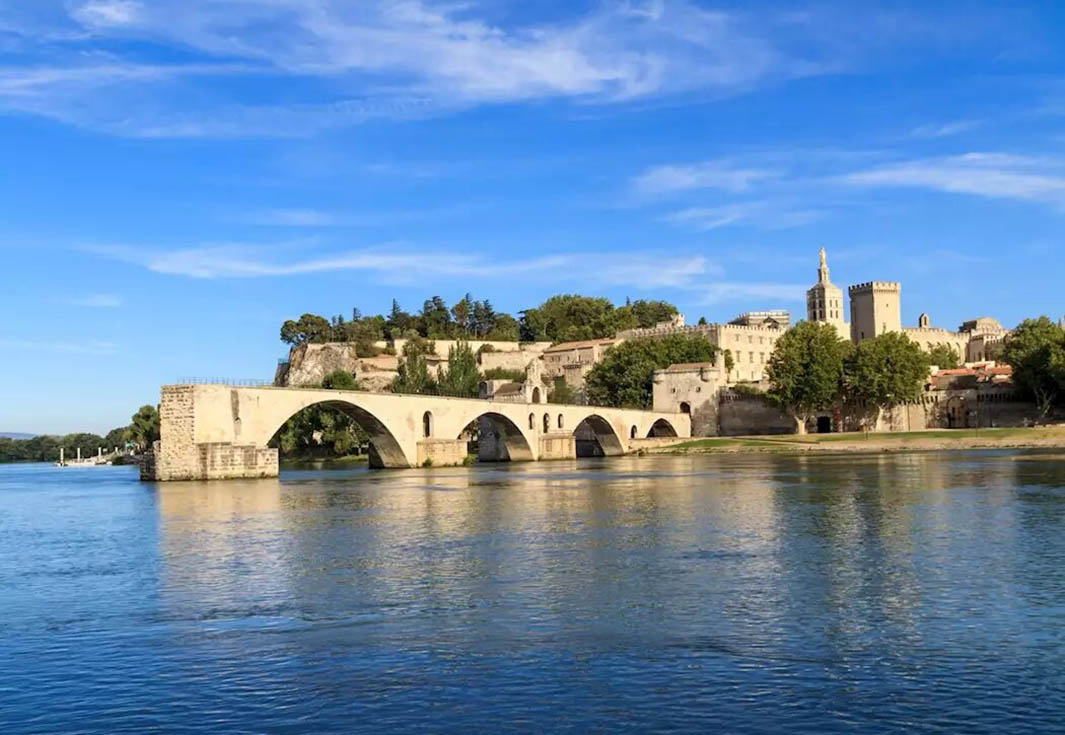
On my second day, I strolled along the Rhône River toward the Pont Saint-Bénézet. Historically, this bridge served as a vital link connecting the two banks of the river; today, only a few piers remain standing, yet its historical significance and romantic legends continue to draw countless visitors.
As I strolled along the riverside path, I spotted the broken piers in the distance, rising from the water as if whispering tales of the passage of time. As I drew closer, I could see the river water lapping against the stones, creating a low, rhythmic sound. I couldn’t help but imagine scenes from the past—people stepping onto the bridge deck, mingling with merchants and travelers as they crossed between the two shores.
Standing on the bridge, I gazed down at the river winding its way into the distance, taking in the panoramic cityscape spread out before me. With the breeze brushing against my face, I felt an indescribable sense of tranquility. Even with the bridge deck incomplete, the profound weight of history remained deeply etched in my heart.
A Stroll Along the Rhône: The City’s Leisurely Rhythm
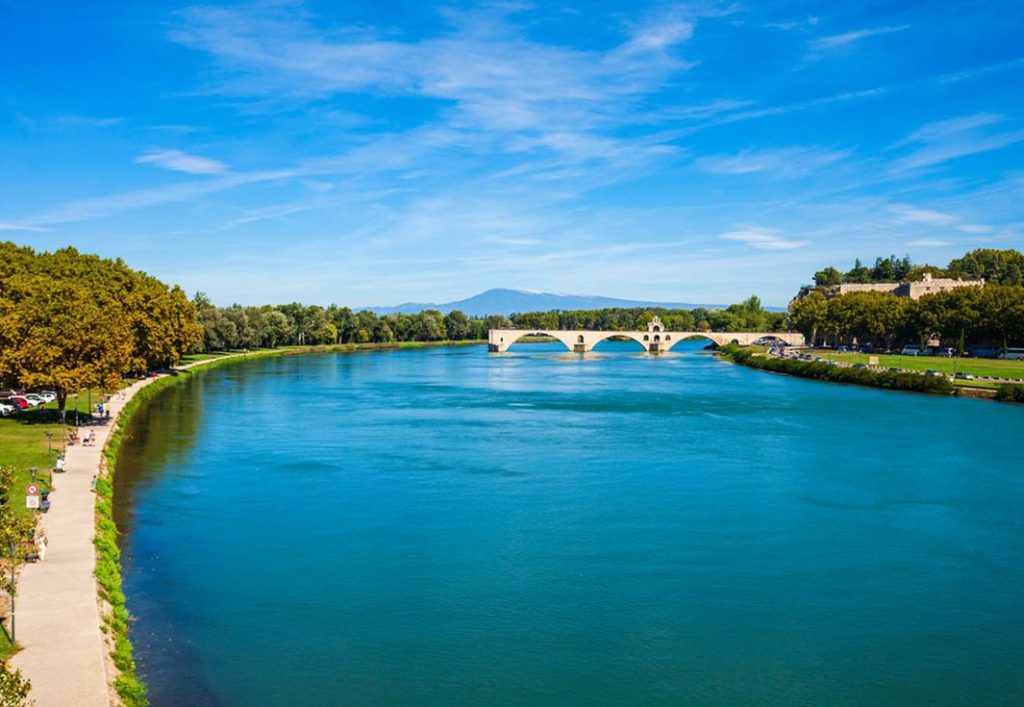
The moments I found most relaxing in Avignon were those spent strolling along the banks of the Rhône River.
I chose to set out at dusk, ambling slowly along the riverbank. The water shimmered with a golden glow, mirroring the historic buildings along the shore and the distant church spires. Along the riverside path, joggers passed by, families cycled past, and tourists—much like myself—walked quietly, snapping photos or simply gazing into space.
Walking here, I could truly sense the rhythm of life and the unique atmosphere of Avignon. Gone was the clamor of heavy traffic; in its place remained only the gentle flow of the river and the leisurely pace of the people. I found a bench by the water’s edge, sat down, and closed my eyes, listening to the interwoven sounds of the water, birdsong, and distant church bells—in that moment, it felt as though time itself had slowed down.
The cafés and bistros lining the riverbank were equally inviting. I casually chose one, sat down, and ordered a cup of coffee and a local pastry. The aroma of the coffee mingled with the river breeze—carrying a hint of bitterness and the warmth of the sunlight—making me feel that Avignon is not merely a city of history, but also a city brimming with the simple joys of everyday life.
The Theater Festival: A Feast of Art and Passion
If you happen to visit Avignon in July, you absolutely cannot miss the Festival d’Avignon. I arrived just in time to catch the festival’s grand finale.
The streets were teeming with theatrical productions and street performances. The narrow alleys rang with laughter and joy, creating an intimate atmosphere where the boundary between actors and audience seemed to vanish. Stepping into a theater, I watched a small-scale experimental play; the stage design was minimalist yet brimming with creativity. The actors’ performances struck a powerful emotional chord within me, while the interactions among the surrounding audience members made the entire experience feel even more vivid.
Outside the theater, I chatted with a few fellow travelers, sharing our impressions of the play and swapping stories about our respective journeys. The passion for art and the intense focus the people showed toward the performances made me realize—profoundly—that Avignon is not merely a historic city, but a vibrant cultural hub pulsating with contemporary energy.
City Alleys: An Intimate Encounter with History
Beyond the famous landmarks, one of my favorite things to do was to wander into Avignon’s narrow alleys.
Flanking the cobblestone streets stood low-rise historic buildings, their windowsills adorned with potted flowers. Small shops lined the way, selling handicrafts, freshly baked bread, and local delicacies. I loved simply wandering into these little shops, exchanging a few words with the owners, and gaining a glimpse into the daily lives of the locals.
On one occasion, while savoring a traditional local pastry in a tiny patisserie, the shopkeeper smiled as she explained the preparation method. As I ate, gazing toward the church spire visible at the end of the street, I felt a unique sense of tranquility and contentment. This experience made me realize that travel is not merely about sightseeing, but about attuning oneself to the very rhythm and breath of a city.
Avignon at Night: The Other Side of the Ancient City
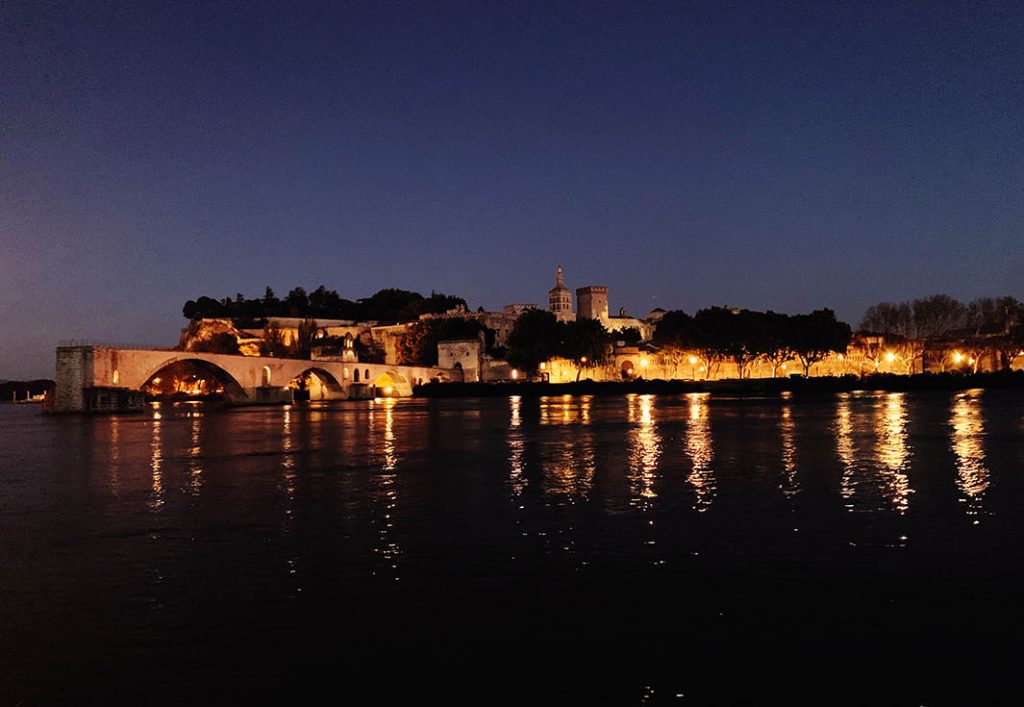
As dusk fell, I returned to the vicinity of the Papal Palace. Streetlights illuminated the contours of the ancient city walls and towers, casting a warm, golden glow upon the stone. The river mirrored the shimmering lights, making it seem as though the entire city were bathed in a gentle, ethereal radiance.
I strolled slowly along the riverbank, listening to the murmur of the water and the whisper of the night breeze. Occasionally, a passerby would walk past, speaking in hushed tones; the daytime bustle of the city had long since faded, leaving behind only the soft murmurs of history and daily life. Standing by the bridge, I took a deep breath, feeling as though I had become completely immersed in the city’s unique atmosphere.
Leaving Avignon: Memories of History and Life
On the day I departed from Avignon, I paused at the train station to cast one final glance back at the city walls and the river. In the span of just a few days, I witnessed the majesty of the Papal Palace, walked along the broken arches of the Pont Saint-Bénézet, sat in quiet contemplation by the banks of the Rhône, and experienced the artistic fervor of the theater festival.
What Avignon offered me was not merely the awe-inspiring weight of history, but also the warmth of everyday life. Its stone walls, flowing waters, winding alleys, and the aroma of street-side coffee all resemble a weighty tome of history—a book in which every single page is worth savoring.
As the train slowly pulled out of the station, I knew that the imprint of this city had been etched deep into my memory—a place at once ancient and vibrant, dignified and warm.